.
Also to know is, what is the safest artificial sweetener to use?
How to pick the safest artificial sweetener, based on science
- Sugar alcohols (Xylitol) — "safe" <
- Aspartame — "safe" <
- Acesulfame-K — "safe. <
- Stevia — "safe" <
- Saccharin — "safe" < Flickr user qiaomeng.
- Sucralose — "safe" < Kate Ter Haar/Flickr.
- Neotame — "safe" < Flickable/YouTube.
- Advantame — "safe" < Pixabay.
Additionally, what are the dangers of artificial sweeteners? Consuming too much added sugar, even natural sweeteners, can lead to health problems, such as tooth decay, weight gain, poor nutrition and increased triglycerides.
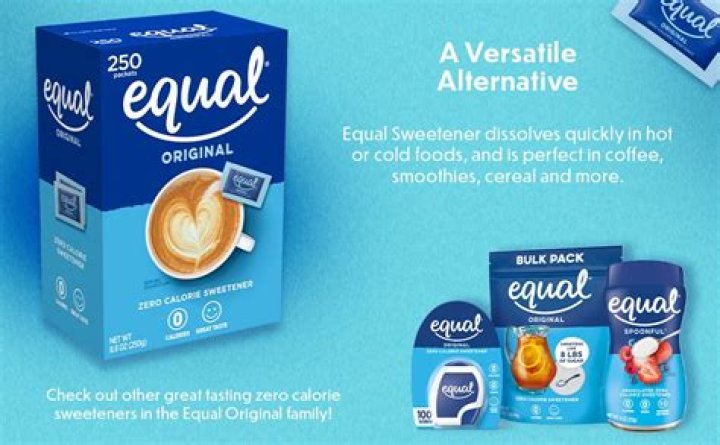
Then, is equal worse than sugar?
Artificial sweeteners are typically 200 to 600 times sweeter than sugar. Both sugar and artificial sweetener are addictive. But artificial sweeteners may be likelier to make you get hungry, eat more throughout the day and develop diabetes. Sugar is OK in limited amounts and in the context of a healthy diet.
What is the least harmful artificial sweetener?
Here's a breakdown of the most harmful and least harmful artificial sweeteners, so you can determine what's best for you and your diet.
- Sucralose (Splenda) You can use sucralose for baking.
- Aspartame (Equal, NutraSweet)
- Saccharin (Sweet'n Low)
- Sugar alcohols.
- Stevia.
Which sweetener tastes most like sugar?
Sucralose, available under the brand name Splenda, is an artificial sweetener made from sucrose. This sweetener is about 600 times sweeter than table sugar but contains very few calories. Sucralose is one of the most popular artificial sweeteners, and it is widely available.What is the healthiest alternative to sugar?
10 Healthy Alternatives to Sugar and How to Use Them- Acesulfame potassium (Sunett, Sweet One) Type: Artificial sweetener.
- Agave nectar. Type: Natural sweetener.
- Coconut Sugar.
- Honey.
- Monk Fruit extracts (Nectresse, Monk Fruit in the Raw, PureLo)
- Date Paste.
- Stevia extracts (Pure Via, Truvia, Rebiana)
- Sucralose (Splenda)
What does aspartame do to your body?
Aspartame hasn't been linked conclusively to any specific health problems, other than for people with phenylketonuria (PKU). This is a rare genetic disorder (present at birth) in which the body can't break down phenylalanine, an amino acid found in many foods (and in aspartame).Are artificial sweeteners bad for your liver?
In addition, the fructose found in most types of sugar may damage the liver and cause insulin resistance. The FDA has approved five artificial sweeteners: acesulfame, aspartame, neotame, saccharin, and sucralose. And some short-term studies suggest that artificial sweeteners may have that effect.How bad is Splenda?
Like other artificial sweeteners, sucralose is highly controversial. Some claim that it's entirely harmless, but new studies suggest that it may have some effects on your metabolism. For some people, it may raise blood sugar and insulin levels.Is aspartame worse than sugar?
Aspartame contains 4 calories per gram (g), similar to sugar. It is, however, around 200 times sweeter than sugar. This means that only a tiny amount of aspartame is necessary to sweeten foods and drinks. For this reason, people often use it in weight-loss diets.Which is better stevia or Splenda?
Stevia is approximately 200 times sweetener than sugar and gets its sweetness from natural compounds in the stevia plant called steviol glycosides ( 9 , 10 ). Meanwhile, Splenda is 450–650 times sweeter than sugar. Thus, a smaller amount of Splenda is needed to reach your preferred level of sweetness.Is honey better than sugar?
Is it better than sugar? Honey has a lower GI value than sugar, meaning that it does not raise blood sugar levels as quickly. Honey is sweeter than sugar, so you may need less of it, but it does have slightly more calories per teaspoon so it's wise to keep a close eye on your portion sizes.Which sweetener is healthiest?
Here are 4 natural sweeteners that are truly healthy.- Stevia. Share on Pinterest. Stevia is a very popular low-calorie sweetener.
- Erythritol. Erythritol is another low-calorie sweetener.
- Xylitol. Xylitol is a sugar alcohol with a sweetness similar to sugar.
- Yacon Syrup. Yacon syrup is another unique sweetener.