.
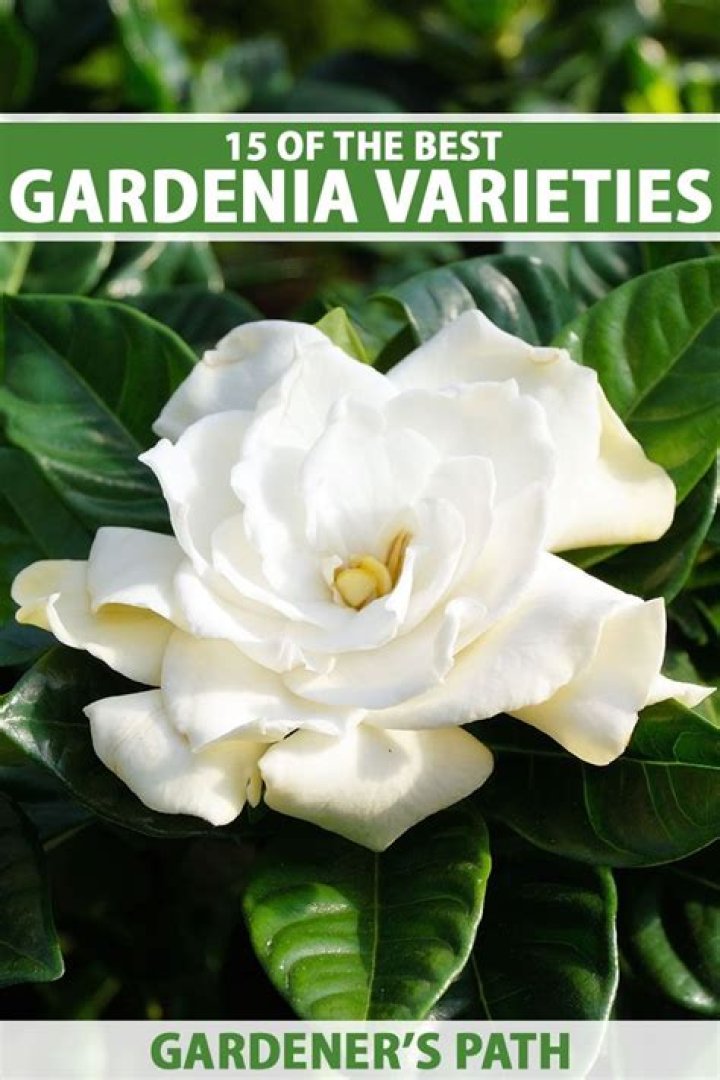
Also, where do Gardenias grow best?
In hot climates, Gardenias grow best with morning sun and afternoon shade. In cooler areas, they can tolerate full sun, especially if their roots are covered with organic mulch. Gardenias growing in containers need bright light or filtered shade with no direct sun.
do gardenia plants need a lot of sun? Needs Bright Light In hot climates, gardenias grow best with morning sun and afternoon shade. They also grow well in light filtered shade under tall trees, such as oaks or pines. They can tolerate full sun in cooler areas, especially if their root area is covered with organic mulch.
Similarly, you may ask, what is the best fertilizer for gardenias?
Acid-Loving Plants Gardenias prefer acidic soil with a pH around 5.5. Some fertilizers, like blood meal, cottonseed meal and fish emulsion, can help acidify soil and maintain a low soil pH. These fertilizers for acid-loving plants are the best choice for gardenias.
How often do you water a gardenia plant?
How Often to Water. Upon planting gardenias into a landscape, water them at least twice a week for the first six weeks, according to the University of Florida Extension. When the plant is established, cut back watering to once a week.
Related Question AnswersIs vinegar good for gardenias?
Gardenia pH Requirements Indoors or out, gardenias thrive in acidic soil. Acidifying soil with vinegar, which is 5 percent acetic acid, can lowers its pH to correct conditions for gardenias.Do Gardenias like coffee grounds?
In addition to amending the soil with compost or aged manure, these acid-loving plants will appreciate coffee grounds, tea bags, wood ashes or Epsom salts mixed into the soil as well. Since they are rich in nitrogen, magnesium, and potassium, coffee grounds are oftentimes a more favorable homemade gardenia fertilizer.Do Gardenias grow back every year?
There are hardy and there are tender gardenias. The hardy will grow outside all year long and the tender must be taken inside. You can plant some hardy ones now so they will establish prior to winter.Can Gardenias grow in pots?
Gardenia grows best in U.S. Department of Agriculture plant hardiness zones 8 through 10 , but you can enjoy these aromatic beauties indoors with little effort. With adequate water, sufficient drainage, an acidic soil and plenty of sunlight, gardenias can grow just as well in pots as they do planted in the ground.How fast do gardenia bushes grow?
Growing Rate When grown from seed, gardenias will take about two to three years to start flowering. For faster blooms within a year, grow the shrubs from air-layers or cuttings. Once fully grown, gardenia flowers can be anywhere from 2 to 5 inches wide, and the leaves can be between 1 to 1 1/2 inches wide.Why are my gardenias dying?
Wet soil is just as bad as dry soil; both can lead to plant death. Overwatering your gardenia may be caused by simply adding too much water to the soil, but it's also possible that the soil has poor drainage. Only water your gardenia if the soil doesn't feel somewhat moist about 1 inch down.How do you acidify soil?
To acidify soil, start by scooping up some of the soil in your hands to see if it's loose or compacted. If it's loose, mix some organic material into the soil to acidify it, like compost, manure, or sphagnum peat moss. If the soil is compacted, mix elemental sulfur or iron sulfate into it to make it more acidic.When should gardenias be planted?
Fall or spring is the most suitable time for planting the gardenia bush. As for outdoor gardenia care, you should keep in mind that when the gardenia plant is grown outdoors, it generally prefers to be kept in partial shade. Gardenias also prefer moist, but well-drained acidic soil with plenty of organic matter.Is Miracle Gro good for gardenias?
Miracle-Gro Water Soluble Azalea, Camellia, Rhododendron Plant Food is a special plant food designed for acid-loving plants like azaleas, rhododendrons, camellias, dogwoods, magnolias, gardenias, orchids and all evergreens. It is rich in iron and other essential nutrients.Are eggshells good for gardenias?
Fertilizer. Above: When tilled into the soil, ground eggshells provide your plants with calcium. Though nitrogen, phosphorus, and potassium are most vital for healthy growth, calcium is also essential for building healthy “bones”—the cell walls of a plant. (Tomatoes especially love calcium.)Should gardenias be deadheaded?
When to Deadhead Spend a few minutes deadheading each week when the gardenias are actively in bloom. After the main flush of flowering is over, remove any remaining spent blooms and prune back the tips. Tip pruning encourages branching so the gardenia can produce more flower buds the following season.How do you fertilize gardenias with coffee grounds?
Old coffee grounds are one of the best fertilizers for gardenias; spread them around the base of the plant. In addition to being an excellent source of nitrogen, the acid in coffee will lower the pH of the surrounding soil, stimulating the roots of acid-loving plants such as the gardenia.How do you get a gardenia to flower?
- Control the temperature on the gardenia bush.
- Fertilize the gardenia at least twice a month with fertilizer.
- Water the plant leaves as well as the roots.
- Place the gardenia in a location that receives direct sun for a few hours a day.
- Don't prune gardenia bushes.
- Grow gardenias indoors during the winter months.